


Faye Travel Insurance
4.7182.00 Reviews
App Specs
- Version
- 2.56.0
- Updated On
- License
- Free
- Downloads
- 50,000+
- Developer
- Zenner, Inc.
- Categories
- Travel & Local
- Platform
- Android
Screenshots

 Analysis by AppCompare
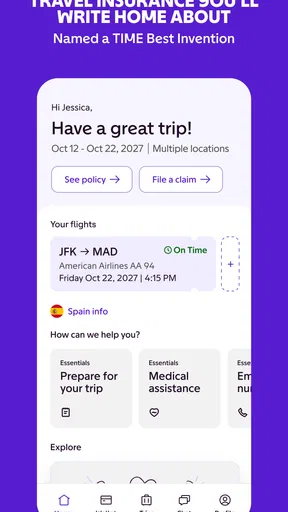
Travel insurance is easy to ignore until a flight is delayed, a bag disappears, or a medical problem turns a simple trip into a stressful day. I reviewed Faye Travel Insurance as a mobile travel companion rather than treating it like another policy document on a phone. Its main appeal is practical: it brings assistance, claim handling, and reimbursement tools into one place, so I can deal with a problem while travelling instead of waiting until I get home.
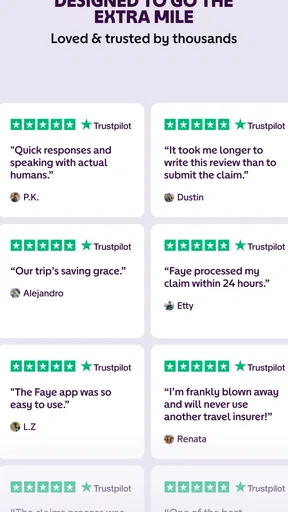
The app comes from Zenner, Inc. and sits in the Travel & Local category. It is free to install, aimed at Everyone, and has built a solid user response with a 4.7 average from over three hundred ratings. More than fifty thousand people have installed it, which gives it a useful level of real-world visibility without making it feel like an anonymous utility.
My overall impression is positive, especially for travellers who want a clear digital route through an unpleasant situation. Still, this is not a replacement for reading the insurance terms or checking whether a particular trip fits the policy. The app is strongest when used as part of a prepared travel routine, not as a magic button that removes every restriction from an insurance claim.
How I would use Faye Travel Insurance before and during a trip
I’d use Faye Travel Insurance as part of a simple trip routine: check that I can access my account before leaving, then keep key confirmations and receipts easy to find if plans change. During a disruption, I’d first handle any urgent needs and contact the relevant travel provider, then use the app to organize the insurance side. That preparation makes it easier to spot where a problem may be coming from.
Start with the policy, not the emergency
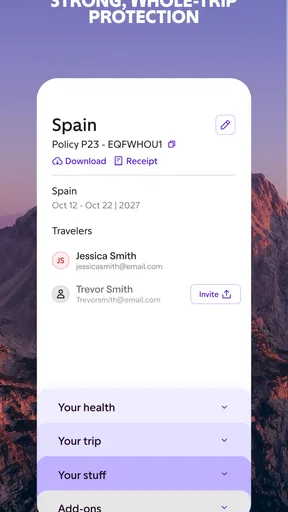
The most sensible workflow begins before leaving home. I would install the app, open the policy information, and spend a few quiet minutes understanding what kind of help is available. That sounds less exciting than exploring the interface, but it matters. When a flight is cancelled or a suitcase fails to arrive, I do not want my first contact with the app to be the moment I am also trying to understand what the insurance covers.
Faye Travel Insurance is particularly useful as a central reference point. Instead of searching through email attachments, switching between a booking app and a browser, or trying to remember which number to call, I can use the app as the first place to look for assistance. The value is not just having information on screen; it is reducing the number of decisions I need to make while tired, worried, or standing in an unfamiliar airport.
I would also keep the app available offline in the practical sense: install it before departure, sign in while I have a reliable connection, and make sure I know where the assistance and claim areas are. I would not assume that every part of an insurance service works without connectivity, but preparing the app in advance is still better than downloading it after a disruption has already started.
Worth Reading Before You Choose

Flipboard Shows What News Apps Must Do Beyond the Feed

Switching to Android Auto Means Rethinking Your Driving Routine

Google Calendar Makes a Crowded Week Easier to Manage

Ludo King Makes the Most of the Minutes Between Plans

Baby Panda World Brings Quick Play to Modern Phones, but Its Game Library Feels Busy

ESPN’s Live Game View Makes Following Close Games Easier
A realistic airport scenario
Imagine that I am travelling for a short visit and my checked bag does not arrive. My first instinct might be to leave the airport and sort it out later, but that can create unnecessary confusion. A better routine is to report the missing bag through the airline’s process, keep the relevant confirmation, note the time and location, and then open Faye Travel Insurance to check the next insurance step.
This is where the app can save effort. I can use its assistance and claim workflow while the details are still fresh, rather than reconstructing the entire event from memory days later. I would keep screenshots, receipts, baggage references, and messages from the airline together. The app may make submitting information easier, but it cannot replace the evidence that supports a claim.
That is one of the less obvious lessons from using a digital insurance tool: the fastest claim is usually the one supported by an organised timeline. I would record what happened, when it happened, who I contacted, and what I paid. A clean record helps me whether I am using the app, calling an insurer, or speaking with the airline.
What the app changes compared with traditional alternatives
The usual alternative is a mixture of paper documents, email searches, a phone call, and a separate process for reimbursement. That approach can work, but it spreads the task across several places. Faye Travel Insurance feels more convenient because it gives the trip-related problem a dedicated mobile home.
Compared with a generic notes app, it offers a more relevant path to assistance and claims. Compared with calling an insurer immediately, it may be more comfortable for people who prefer to review information and submit details from their phone. On the other hand, a phone call can be better when the situation is urgent, complicated, or difficult to explain through a form. I would treat the app as the first tool, not the only tool.
Settings and preparation worth checking
I would pay attention to the account and notification settings before travelling. The important habit is not changing every option; it is making sure the app can reach me when I need it and that my account details are correct. A small mistake in contact information can become frustrating when assistance is time-sensitive.
I would also review the policy documents inside the app rather than relying on a short summary. Insurance language often includes conditions, exclusions, deadlines, and documentation requirements. A polished mobile interface can make the process feel simple, but the underlying agreement still controls the outcome. Reading the relevant sections before departure is one of the best uses of the app’s quieter moments.
Another useful preparation step is deciding how I will store receipts. If I buy an essential item because of a travel problem, I would keep the receipt immediately and photograph it clearly. I would avoid taking a picture that cuts off the date, item description, or total. This is not a special feature or shortcut; it is a repeatable habit that makes the app’s claim process more effective.
For families or group trips, I would clarify who is responsible for submitting information. Several people reporting the same event in different ways can create duplication. One person can maintain the timeline while keeping everyone’s receipts and confirmations together. The app is easier to use when the information is consistent before it is entered.
Faster patterns for assistance and claims
Experienced users will probably get the most from Faye Travel Insurance by creating a simple sequence and repeating it whenever something goes wrong. First, I would make the situation safe. Next, I would contact the relevant travel provider or local service if necessary. Then I would open the app, check the assistance route, and gather the supporting material before submitting anything.
This order avoids a common mistake: opening a claim too quickly with incomplete details. Speed is helpful, but a rushed submission can lead to follow-up questions and extra work. I prefer a short pause to collect the booking reference, receipts, dates, and written confirmations. Once those are ready, the app’s claim process becomes much less intimidating.
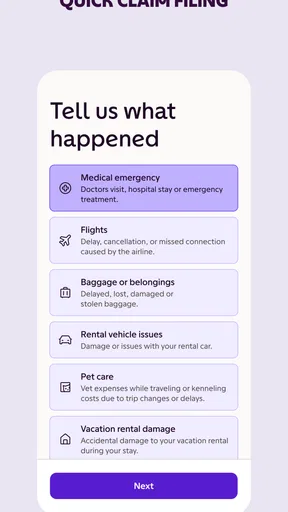
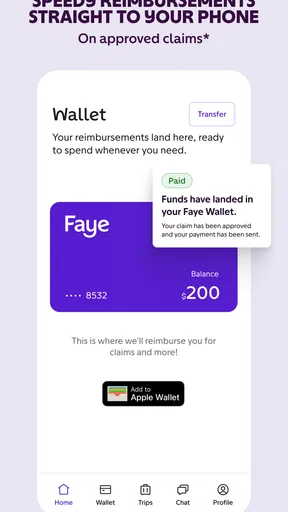
The promise of quick claim processing and reimbursements is one of the app’s strongest reasons to exist, but I would interpret it sensibly. Quick processing does not mean every claim is approved instantly, and reimbursement still depends on the policy and the information provided. The app can streamline communication; it cannot remove the insurer’s need to assess the event.
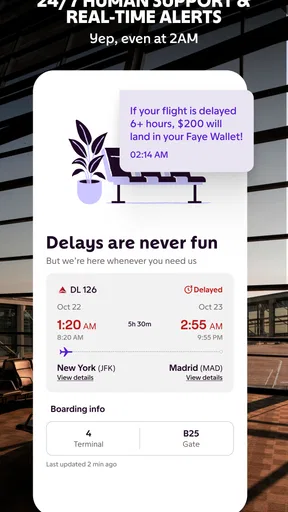
For a delayed flight, I would save the airline’s notice and any updated itinerary before starting the insurance workflow. For a medical issue, I would prioritise appropriate care and keep bills or clinical documentation. For a stolen item, I would preserve the relevant report and details. The shortcut is not skipping steps; it is knowing which evidence matters before opening the claim screen.
I also like the idea of using the app as a single point of reference after submitting a claim. Rather than repeatedly sending the same explanation through different channels, I would return to the app for updates and requests. That creates a more orderly record. If the issue becomes complicated, I would still use direct assistance rather than forcing everything through a digital form.
Where the convenience has limits
The app’s greatest weakness is shared by almost every insurance app: it can make the process easier to navigate without making the policy easier to qualify for. A user who expects a reimbursement simply because a trip went badly may be disappointed. The event, timing, documentation, and policy conditions still matter.
There is also a human factor. During a serious emergency, I may not want to search through screens or type a detailed explanation. A live assistance route or local emergency service can be more appropriate. I would never use a travel insurance app as a substitute for emergency responders, medical professionals, or the airline’s required reporting process.
Another limitation is that mobile convenience depends on a working phone, battery, and connection. Travelling can involve poor reception, roaming problems, lost devices, or a dead battery. I would keep essential policy information accessible in another form and carry basic travel documents separately. That is not because Faye Travel Insurance is unusually fragile; it is because relying on one digital channel is poor travel planning.
Users who want to compare many insurers side by side may also prefer a dedicated comparison service before buying cover. Faye Travel Insurance is more useful after choosing this insurance ecosystem, when I need assistance or want to manage a claim. It is not the right tool for someone whose main goal is shopping across a wide range of providers from one screen.
Who will appreciate it most
I would recommend the app to travellers who already prefer handling practical tasks on their phone. It suits people who want a central place for assistance, who are comfortable uploading documents, and who value a clear repeatable process when a trip goes off schedule. It is also appealing to anyone who dislikes carrying a folder of printed insurance paperwork.
Frequent travellers may find the workflow especially useful because preparation becomes a habit. Each journey starts with checking the policy, confirming access to the account, and knowing where to go if something happens. That small routine can reduce panic later. The benefit grows when a traveller has dealt with delays, baggage issues, or unexpected expenses before and knows how quickly details become difficult to reconstruct.
I am less likely to recommend it as the sole travel resource to someone who rarely uses smartphone services, travels to places with unreliable connectivity, or wants personal guidance for every decision. Those users may be more comfortable with a phone-based insurer relationship or printed documents alongside the app. The best choice depends on how much control the traveller wants to have digitally.
Version, availability, and everyday usability
The current version is 2.56.0, and the app supports devices running Android 7.0 or later. That makes it accessible to many older Android phones, although the actual experience will still depend on the device, its available storage, and the quality of the connection while travelling.
Because the app is free, there is no separate purchase barrier to trying it. The more important cost decision is the insurance itself and whether its coverage suits the trip; downloading the app does not by itself determine what protection a traveller has. I would install it early, explore the relevant screens, and make sure I understand the relationship between the app and the policy before departure.
The Everyone age rating also makes the app broadly approachable from an app-store perspective. That does not mean every travel or insurance decision is suitable for a child to make alone. In a family setting, an adult should still manage policy interpretation, payment records, and claim submissions where appropriate.
My verdict after building a repeatable routine
Faye Travel Insurance works best when I treat it as a prepared travel tool rather than an emergency download. Its real strength is the way it brings assistance, claims, and reimbursement-related tasks closer together. The experience can replace a scattered collection of emails, phone numbers, and paper notes with a more focused mobile workflow.
The practical mastery is simple: read the policy before travelling, check account and notification settings, keep receipts and confirmations organised, and use the app early when an incident occurs. Those habits matter more than tapping through the interface quickly. They are also what separates a smooth claim experience from a frustrating one.
I would choose it over a purely paper-based approach when I want mobile access and a central claim path. I would choose a direct call or local emergency support when the situation is urgent or complicated, and I would use a comparison service when I am still deciding which insurer fits my trip. In other words, the app is valuable, but its role is specific.
My final recommendation is therefore measured but clear: if you are covered through Faye and want a practical way to reach help and manage travel problems from your phone, this is a worthwhile app to keep ready. Just remember that good preparation still matters more than any shortcut. With the right documents, a calm workflow, and realistic expectations about insurance rules, Faye Travel Insurance becomes a useful companion rather than another app installed only after something has gone wrong.
Pros
- Simple online quote process with coverage options tailored to different trips.
- Includes support for common travel disruptions
- depending on the selected plan.
- Useful mobile experience for managing policy details while traveling.
- Digital claims process can make submitting documentation more convenient.
- Offers travel protection designed for both domestic and international journeys.
Cons
- Coverage limits and exclusions vary considerably between plans.
- Pre-existing condition coverage may require meeting specific eligibility rules.
- Some benefits require receipts
- reports
- or other supporting documentation.
- Policy availability and terms can differ based on your state or country.
- Travel insurance may not cover every cancellation reason or unexpected expense.
FAQs for Faye Travel Insurance
What is Faye Travel Insurance, and how does it work?
Faye Travel Insurance is a travel protection service designed to help cover unexpected problems before and during a trip. Depending on the plan and destination, it may include benefits for trip cancellation or interruption, medical emergencies, baggage issues, travel delays, and other disruptions. Coverage, limits, exclusions, and eligibility requirements vary, so reviewing the policy wording before purchasing is essential.
What types of travel expenses and emergencies may be covered?
Faye may provide protection for eligible prepaid, nonrefundable travel expenses affected by covered events, as well as certain emergency medical, evacuation, baggage, and delay-related costs. The exact benefits depend on the plan selected, the traveler’s location, trip details, and the reason for the claim. A situation is not automatically covered simply because it occurs during a trip.
Can I purchase Faye Travel Insurance after booking my trip?
In many cases, travelers can purchase coverage after making flights, hotels, or other reservations, but timing rules may affect which benefits are available. Some protections, such as coverage related to pre-existing conditions or certain cancellation advantages, may require purchasing within a specified period after the initial trip deposit. Always check the current purchase deadlines and policy terms before relying on coverage.
How do I file a claim through Faye Travel Insurance?
Claims can generally be started through Faye’s digital platform or by following the instructions provided with the policy. Travelers should keep relevant documentation, such as receipts, booking confirmations, medical records, cancellation notices, delay statements, and proof of payment. Providing complete and accurate evidence can make the review process smoother, while missing documents may delay or affect the claim decision.
What should I check before downloading or buying Faye Travel Insurance?
Before using Faye, confirm that the service is available in your country or state and that your destination, trip length, and traveler profile meet the eligibility requirements. Carefully review exclusions, benefit limits, deductibles, claim deadlines, cancellation rules, medical coverage conditions, and assistance procedures. The app can make policy management convenient, but it does not replace reading the complete insurance contract.


